
Prevention Starts Before There’s a Problem
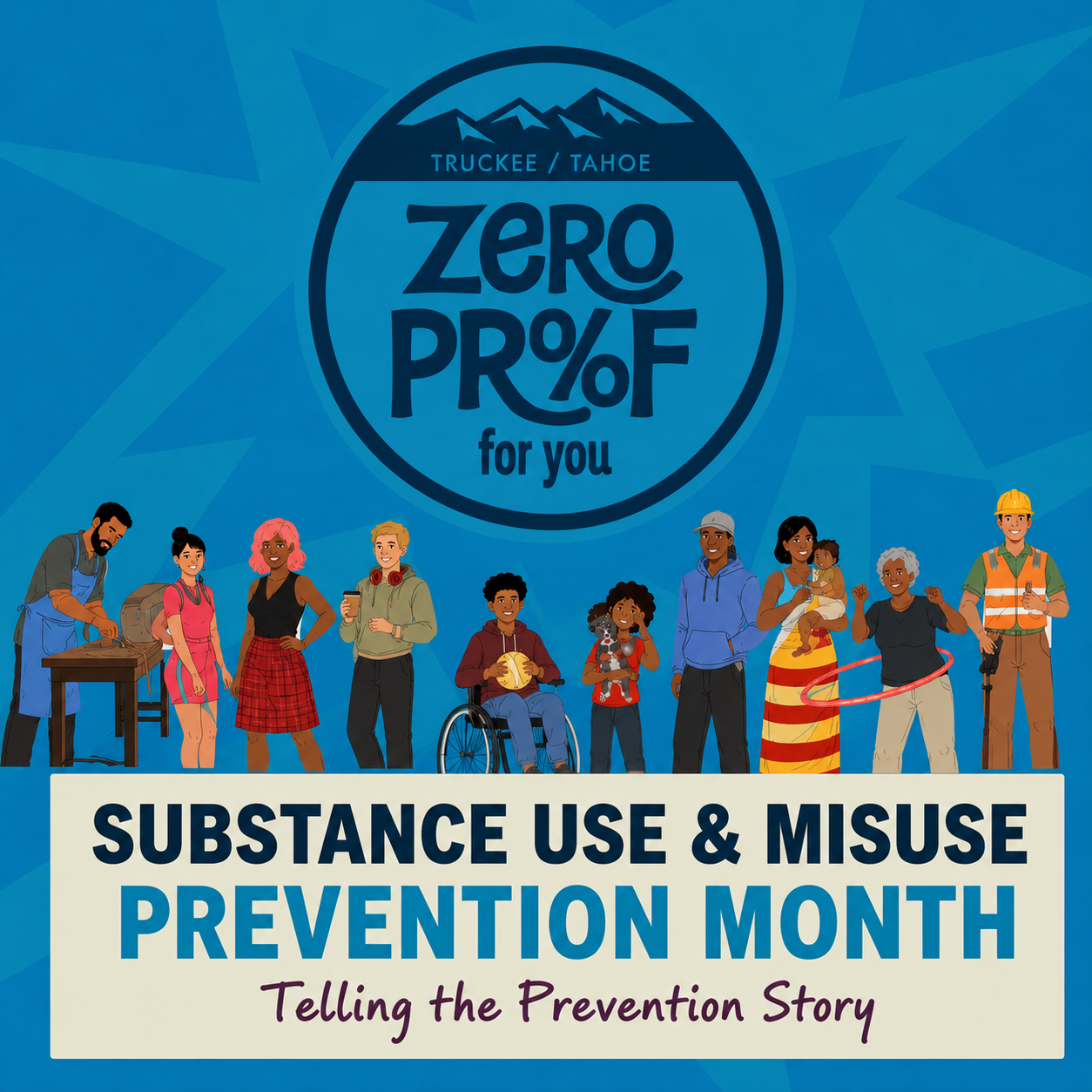
This Substance Use & Misuse Prevention Month, we’re celebrating the everyday choices, conversations, connections, and community changes that help people thrive.
October is Substance Use & Misuse Prevention Month, a national observance led by the Substance Abuse and Mental Health Services Administration (SAMHSA) to highlight the positive impact prevention can have on individuals, families, schools, and communities.
Explore SAMHSA’s Substance Use & Misuse Prevention Month resources.
When we hear the words substance use prevention, we might immediately think about preventing young people from using alcohol or other drugs.
That's certainly part of it—but prevention is much bigger.
SAMHSA describes prevention as working to prevent substance use in the first place, prevent use from progressing to a substance use disorder, and prevent the consequences associated with substance use. Decades of prevention science have also shown the importance of strengthening protective factors and reducing the factors that put people at greater risk.
In other words, prevention doesn't have to wait for a problem.
What Does Prevention Look Like?
Prevention can happen in a classroom when a student receives accurate, age-appropriate information about alcohol and other substances.
It happens when parents have open conversations with their kids instead of relying on fear or punishment.
It happens when someone learns how alcohol might be affecting their sleep, mental health, medications, relationships, or physical health and decides to make a change.
It happens when a friend notices something is different and asks, “How are you doing?”
It happens when someone takes an alcohol-use screening and brings the results to their healthcare provider.
It happens when a person experiencing a substance use disorder can find treatment without shame.
And it can happen at a restaurant, grocery store, fundraiser, concert, ski resort, or community event when choosing something without alcohol is easy, visible, and completely normal.
Prevention Can Include Drinking Less
Substance use conversations have traditionally focused heavily on two choices: use or don't use.
But prevention and harm reduction can happen along a spectrum.
Someone who normally has four drinks might decide to have two. Someone might alternate alcoholic drinks with zero-proof options. Someone might participate in Dry January. Someone might decide they don't want alcohol in their life anymore. Another person may simply start paying more attention to how much and how often they drink.
Those choices aren't all the same, but they can share something important: intention.
That's one reason Zero Proof, For You exists.
We're not here to tell every adult in our community whether they should drink. We're working to create an environment where people have information, resources, and appealing alternatives that make it easier to make the choice that's right for them.
Prevention Is Also About Connection
Protective factors matter.
Strong relationships, supportive families, trusted adults, healthy coping skills, community connection, access to healthcare, and opportunities to belong can all play a role in helping people thrive.
That's why substance use prevention can't happen only in treatment centers or healthcare offices.
It happens in our communities.
It happens when we create places where people can gather without alcohol being the price of admission.
It happens when someone who decides to drink less doesn't lose their entire social life in the process.
It happens when friends respect someone's decision not to drink without demanding an explanation.
And it happens when someone who is struggling knows where to find help—and feels safe enough to ask for it.
Prevention Is a Community Effort
SAMHSA encourages communities to use Substance Use & Misuse Prevention Month to share their prevention stories and highlight the ways prevention is already improving lives.
Explore the SAMHSA Prevention Month toolkit and ways to get involved.
Our prevention story in Truckee/Tahoe includes creating more choices around alcohol.
Through Zero Proof, For You, we're inviting the entire community to participate.
Restaurants and bars can make thoughtfully crafted zero-proof options visible on their menus.
Retailers can make NA products easier to find.
Community organizations can offer appealing alcohol-free choices alongside alcoholic beverages at fundraisers and events.
Healthcare and prevention partners can connect people with credible information and resources.
And each of us can help normalize the idea that someone doesn't need a reason—or an explanation—to choose something without alcohol.
Prevention Can Start With a Conversation
SAMHSA's Talk. They Hear You.® campaign provides parents, caregivers, educators, and community members with tools for talking with young people about alcohol and other substances. Its resources include a mobile app designed to turn everyday situations into opportunities for conversation and Screen4Success, a brief screening tool that can help identify areas where a young person may benefit from additional support.
For adults who are curious about their own relationship with alcohol, prevention might begin with a different conversation—with yourself.
How often am I drinking?
How much am I actually drinking?
How do I feel when I don't drink?
Is alcohol affecting my sleep, mood, relationships, health, or finances?
Would I feel better if I drank a little less?
You don't have to wait until you meet the criteria for a substance use disorder to ask those questions.
Tell Your Prevention Story
One of SAMHSA's messages for Prevention Month is particularly relevant to us: tell your prevention story.
Prevention stories don't have to be dramatic.
Maybe yours is deciding to be the designated driver.
Maybe it's talking with your teenager about fentanyl.
Maybe it's carrying naloxone.
Maybe it's asking a friend how they're really doing.
Maybe it's finding a recovery community.
Maybe it's ordering your first NA beer.
Maybe it's realizing that you sleep a whole lot better after two drinks than you do after five.
Or maybe it's creating a restaurant menu, fundraiser, workplace, or community event where people who aren't drinking feel just as welcome as everyone else.
Small actions can become protective factors. Individual choices can influence social norms. And when enough people participate, communities change.
Be Part of Prevention: Become a Zero Proof Champion
Want to help make mindful alcohol choices more visible and supported in Truckee/Tahoe? Become a Zero Proof Champion.
Champions are individuals who believe connection doesn't have to revolve around alcohol and want to help bring that idea into their own circles. Volunteer at an outreach event, introduce Zero Proof, For You to your workplace or community group, host an alcohol-free activity, share resources with friends, or simply help normalize having something different in your glass.
There's no single way to participate. Prevention works best when the whole community has a role.
[BECOME A ZERO PROOF CHAMPION →]
[INSERT CHAMPION SIGN-UP URL]
More Choices Are Prevention
This Substance Use & Misuse Prevention Month, let's expand the way we think about prevention. It isn't only about preventing someone from ever taking a drink.
It's about education.
It's about delaying use among young people.
It's about reducing risk.
It's about recognizing concerns early.
It's about making help easier to find.
It's about strengthening connection.
And sometimes, it's as simple as making sure there's something really good to order when someone decides they don't want another drink.
Prevention starts long before crisis. And there's a role for all of us.
More choices. Less pressure. More connection. Zero Proof, For You.